THE HISTORY OF THE MANOR HOUSE
Nestled in the countryside of Binic, in Brittany

A family home

Between the fresh country air and the sea mist of Brittany.
Nestled in the countryside of Binic-Étables-sur-Mer, in Brittany, the Manoir de la Ville Durandis a 14th-century Breton manor house that has been carefully restored to blend historic charm with modern comfort.
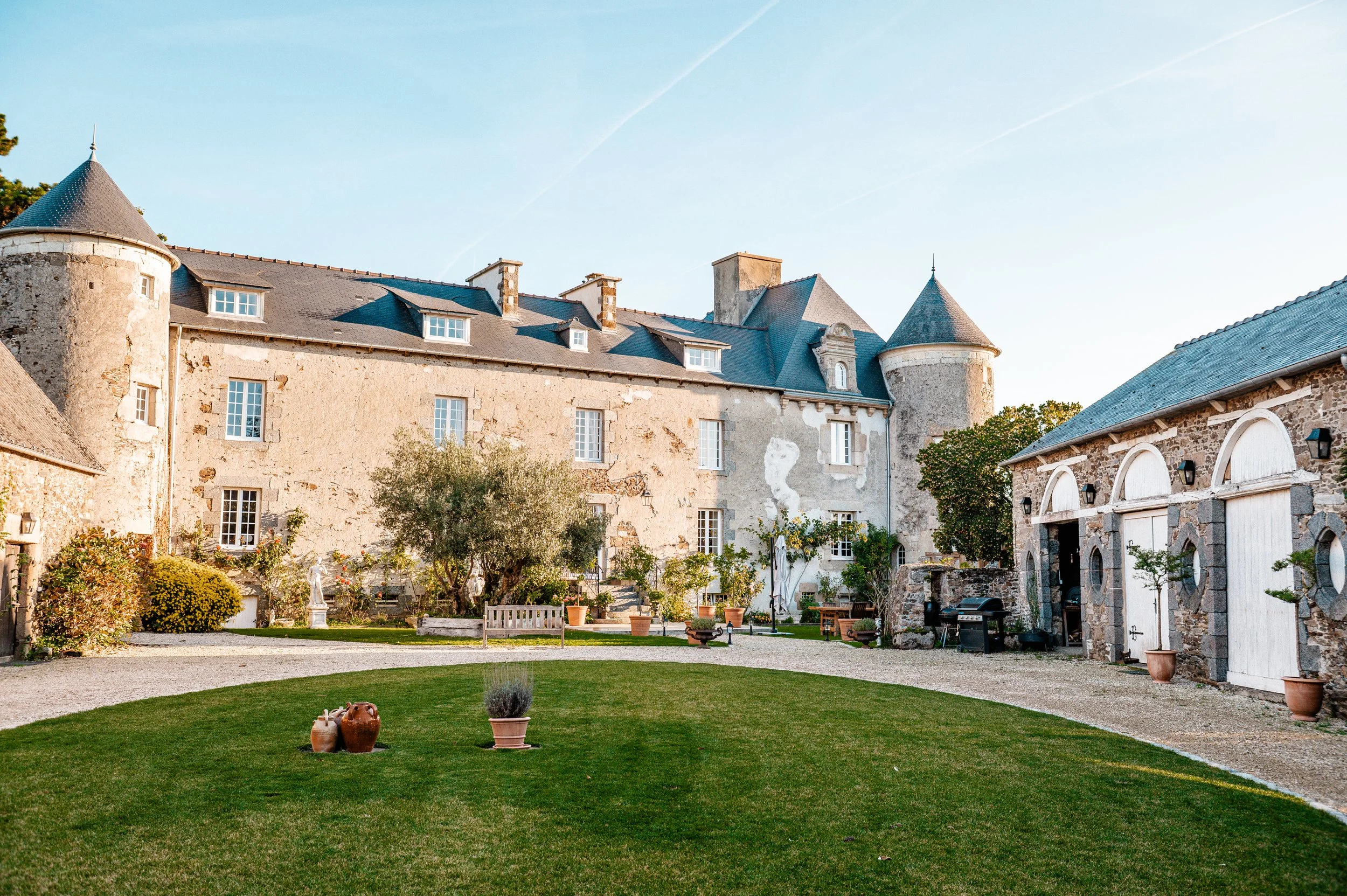
A former noble residence, the manor house has stood for nearly seven centuries, retaining its iconic towers, Saint-Jacques chapel, and the quiet elegance of grand country estates. Set apart from the village and overlooking the surrounding countryside, its silhouette blends discreetly into the passage of time.
Developed over centuries around an enclosed courtyard, the complex reveals a layered architecture: ancient stone, centuries-old timber frames, Renaissance details, and harmonious volumes. Each element bears witness to a heritage that has been preserved with respect.
Today, the Manoir de la Ville Durand has been reborn as a retreat offering refinement in the Côtes-d’Armor.
It welcomes travelers seeking authenticity, tranquility, and understated luxury—a way of life shaped by time—whether for a weekend or a longer stay.

Overlooking the countryside of Binic-Étables-sur-Mer in Brittany,the Manoir de la Ville Durandbears witness to more than seven centuries of Breton history.
The oldest known reference to the residence dates back to 1345, when a chapel dedicated to Saint James was already mentioned. Originally, La Ville Durand was a noble house enjoying preeminence in the parish church and was located at the heart of a vast agricultural estate comprising land, a farm, a water mill, a windmill, and a dovecote—characteristic attributes of seigneurial life in medieval Brittany.
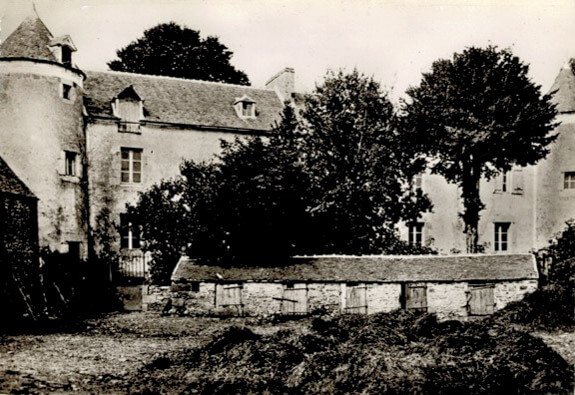
Over time, the manor house gradually expanded. Originally modest in size, it was enlarged between the 14th and 19th centuries to take on its current layout: a completely enclosed square courtyard surrounded by residential buildings, towers, and former farm buildings. This architectural coherence, preserved to this day, gives the estate its unique manorial identity.
The History of Manoir La Ville Durand

Two circular towers flank the main building. The one on the right, built using the same masonry as the remains of the entrance, may date from the late 14th century and houses a wooden spiral staircase. The tower on the left, which appears isolated on the 1822 cadastral map, is thought to have once been used entirely as a dovecote, as evidenced by the nesting niches still visible in the stone.
The old core of the dwelling corresponds to a building constructed between the late 16th and early 17th centuries, with some of the lower parts possibly even older. Inside, large floor beams—made from a tree estimated to be nearly 900 years old—attest to the age and ambition of the building. This main building was later raised, as indicated by the presence of a Renaissance-style dormer window.
A wing built in the 19th century, which did not appear in the 1822 land registry, connected the left tower to the rest of the house, permanently enclosing the courtyard and giving the manor its current layout.
In the oldest part of the house, a monumental stone fireplace now dominates the dining room. On the other side of the wall, a second fireplace recalls the former kitchen, now reinvented as a gentleman's smoking room. Upstairs, an open stone archway leads to the tower staircase, its edges shaped by centuries of use.
Due to its imposing appearance—a main building flanked by two circular towers—the residence has often been referred to as a "castle."

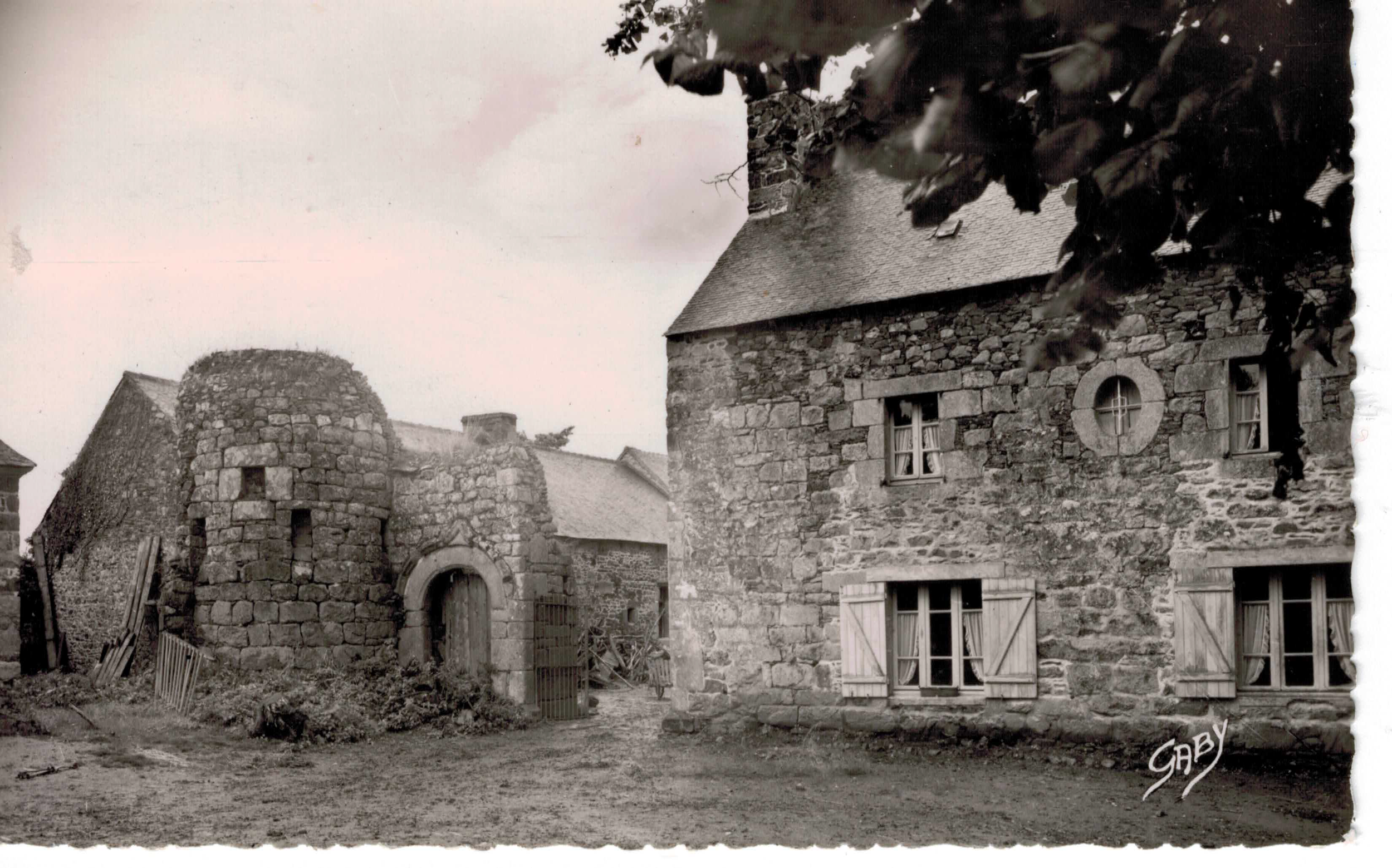
Due to its imposing appearance—a main building flanked by two circular towers—the residence has often been referred to as a "castle."
The Manoir de la Ville Durand has had many owners over the centuries, weathering upheavals and revivals while retaining its essential character.
Like any old house, it is also surrounded by legends. One of them refers to the existence of an underground passage connecting the manor to the sea... Whether true or imaginary, these stories are part of the soul of the place.